GDES celebrated 1,000 days of safe work at ITER
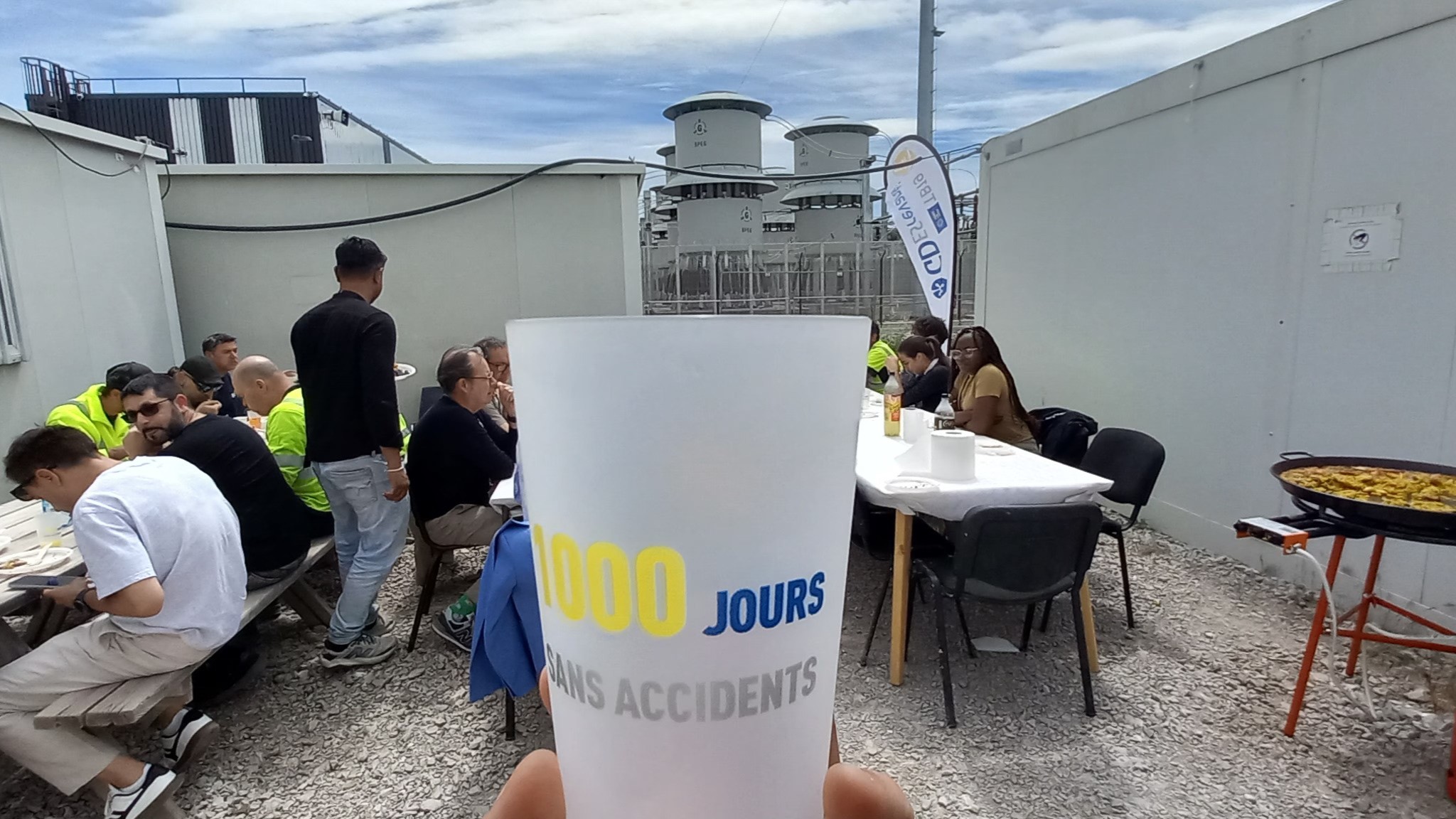
GDES celebrated a very significant milestone in its operations at ITER: 1,000 days of safe work, in which the most important element has been placed at the centre: people. An achievement that reflected the team’s daily commitment to a constant objective: building increasingly safer working environments.
Because safety is not a one-off result, but a shared process, this milestone represents 1,000 days building safety together at ITER, through the involvement of all professionals and coordinated work with the client. In this regard, both our client and ITER joined the celebration, conveying their congratulations to the team for the work carried out. In this regard, the celebration counted on the support and presence of representatives from our contract with ITER Organization, former clients such as F4E, as well as other clients such as Monsud, who conveyed their congratulations to the team for the work carried out.
For GDES, safety is a principle that guides every intervention. Safety Culture is one of the Group’s strategic pillars, and continuous work has been carried out to reinforce it through initiatives and policies aimed at three fundamental objectives: ensuring safety in all actions, improving service quality by avoiding the repetition of work, and maintaining occupational accidents and environmental incidents at zero levels. In short, safety as a daily commitment, beyond any specific figure.
This result highlighted the collective involvement of the team, the effectiveness of preventive measures, and the sustained effort to reduce human error in all operations.
To commemorate this achievement, on 13 May a celebration event was organised at the GDES offices at ITER, in which the team and client representatives participated, including a manager and an HSE representative. The event included a practical workshop and a shared lunch, as a space for recognition and reinforcement of the commitment to safety.
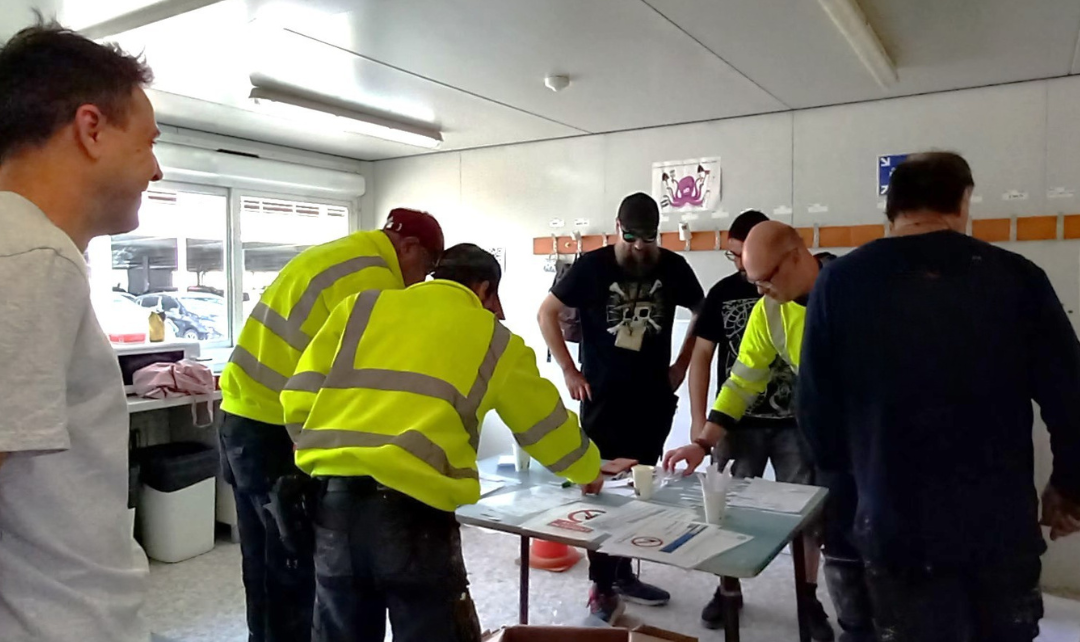
During the workshop, of a dynamic and participative nature, attendees were presented with a case based on a situation that could be real, with the aim of putting the principles of safety culture into practice. Based on this scenario, participants worked on identifying hazards and risks, defining both collective and individual preventive measures, selecting appropriate protective equipment from different options, establishing demarcation, and reflecting on good practices in storage and waste management. All of this helped to practically reinforce the importance of anticipating risks and acting safely on a day-to-day basis.
Congratulations, team!