GDES and ANAV develop iAlgae, a pioneering artificial intelligence system for the early detection of algae in nuclear power plants
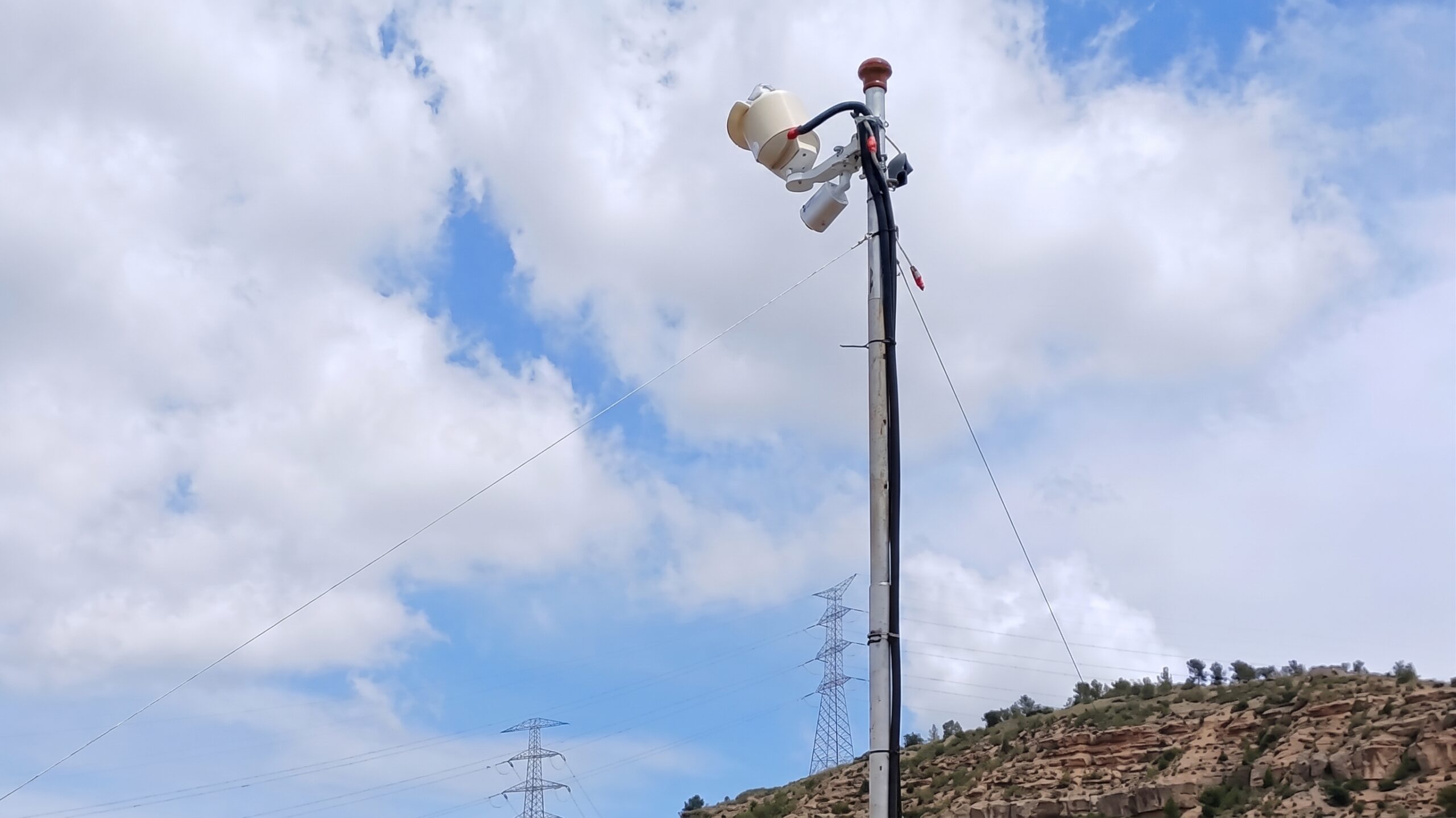
The solution combines multispectral vision, thermography and artificial intelligence to anticipate the arrival of floating vegetation masses at the cooling system of Ascó Nuclear Power Plant.
Technological innovation is once again proving to be a key enabler for enhancing the efficiency and operational safety of nuclear power plants. Developed through the collaboration between GDES and the Ascó-Vandellós II Nuclear Association (ANAV), iAlgae is an intelligent early detection system for algae and floating vegetation masses based on artificial intelligence, specifically designed for Ascó Nuclear Power Plant (Spain).
This applied innovation project enables continuous monitoring of the plant’s water intake channel, automatically detecting accumulations of vegetation that could impact the facility’s intake and cooling systems. The initiative represents a significant advance over traditional visual inspection methods performed by field operators, providing an automated, permanent solution capable of operating under all environmental conditions.
Artificial Intelligence Supporting Nuclear Operations
The presence of algae and other floating vegetation masses in intake channels is a well-known natural phenomenon in facilities that use surface water for cooling. Having real-time information on their evolution makes it possible to optimise monitoring activities and provide plant operators with an advanced decision-support tool.
To address this challenge, GDES’s innovation team developed a solution combining multispectral, thermal and visible-spectrum cameras with artificial intelligence algorithms capable of automatically detecting moving vegetation masses and generating real-time alerts to facilitate their removal by operations teams.
One of iAlgae’s main innovations is the combination of multispectral imaging and advanced thermography, enabling reliable detection 24 hours a day under a wide range of environmental conditions.
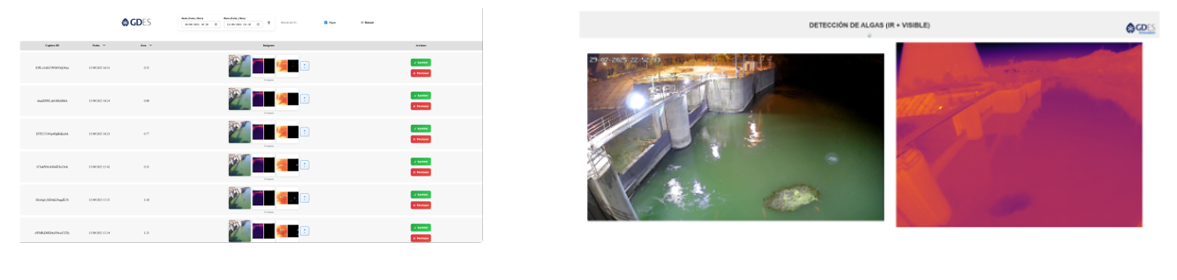
Real-time monitoring and visualisation platform.
More Than One Million Images Processed in a Real Operating Environment
To validate the technology, the system was tested for 144 days under real operating conditions at Ascó Nuclear Power Plant, where it processed more than one million images using an edge computing architecture.
The results confirmed the viability of the solution, automatically detecting 710 algae mats and identifying vegetation accumulations smaller than one square metre, many of which were difficult to detect through conventional visual observation. The trials also demonstrated stable performance in rain, fog, varying light conditions, wind and water turbulence.

Algae detection under natural light conditions – 0.53 m.
Technology Developed for More Efficient Operations
In addition to automated detection, iAlgae incorporates a web-based platform for image consultation, review of historical events and monitoring of recorded detections.
Following the positive results achieved, the project is moving into a new phase focused on completing the industrialisation of the solution and expanding its automation capabilities. Through iAlgae, GDES reinforces its commitment to technological innovation for the energy and nuclear sectors by developing digital solutions that help increase plant reliability and anticipate potential issues before they can affect operations.
iAlgae is a further example of how collaboration between nuclear operators and technology innovation teams can transform operational challenges into intelligent, reliable and future-ready solutions.